
HMCS Spitfire wreck discovered 128 years after sinking
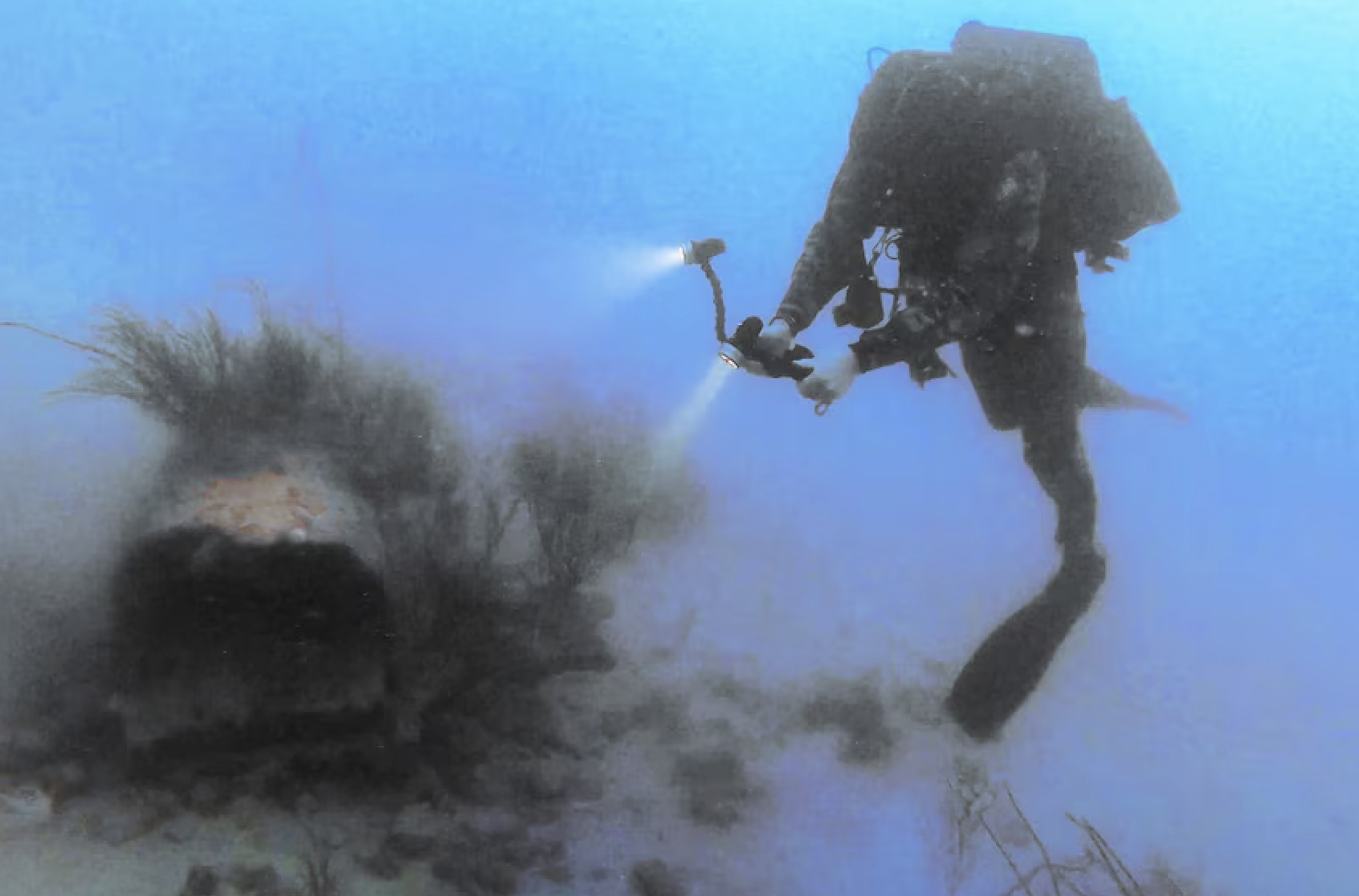
Photo: (ABC News: Jay Cronan)
The wreck of the first Australian-built warship has been discovered off the coast of Far North Queensland 128 years to the day after it sank.
Ex-HMCS Spitfire was built in Sydney's Darling Harbour and launched in 1855, making it the first Australian-built warship and the first to be made with the nation's timber.
Australian National Maritime Museum maritime archaeology manager James Hunter said the New South Wales colonial government at the time was keen to strengthen its naval capability. "There was this sort of concern because the Crimean War was going on between Great Britain and Imperial Russia, [and there was fear] that the Russians might try to invade Australia and take over the then-colonies here," he said.
The one gun destined for the 19-metre Spitfire, however, was never installed and the ship largely became used for patrolling the coast and taking supplies to lighthouses along the New South Wales Coast. It was eventually sent up to the newly declared Queensland colony and used as a pilot vessel before being sold to civilians as a fishing boat.
More than 40 years after it was built, the ship foundered during a voyage off the coast near Lockhart River.
"On the 20th of August 1898, it was hit by a gale, and it's a pretty old vessel by this point … It opened up some of the seams between the planks and it started to sink," Dr Hunter said.
The crew, made up largely of Aboriginal, Torres Strait Islanders and South Pacific Islander people, was forced to abandon ship. However, they all made it to a nearby island and were picked up by a Japanese steamship, the Omi Maru.
The journey to re-discovery
Dr Hunter said historical records gave different accounts about where the boat went down, making the chance of finding it small.
Earlier this year, Dr Hunter, along with Celeste Jordan from the Queensland Department of the Environment, Tourism, Science and Innovation (DETSI) began the search, along with the crew of HMAS Diamantina.
"It is … a needle in a haystack. I can't express to you how easy it is to lose a ship and to lose an aircraft," Ms Jordan said.
On August 21, the anniversary of its sinking, the Spitfire was found.
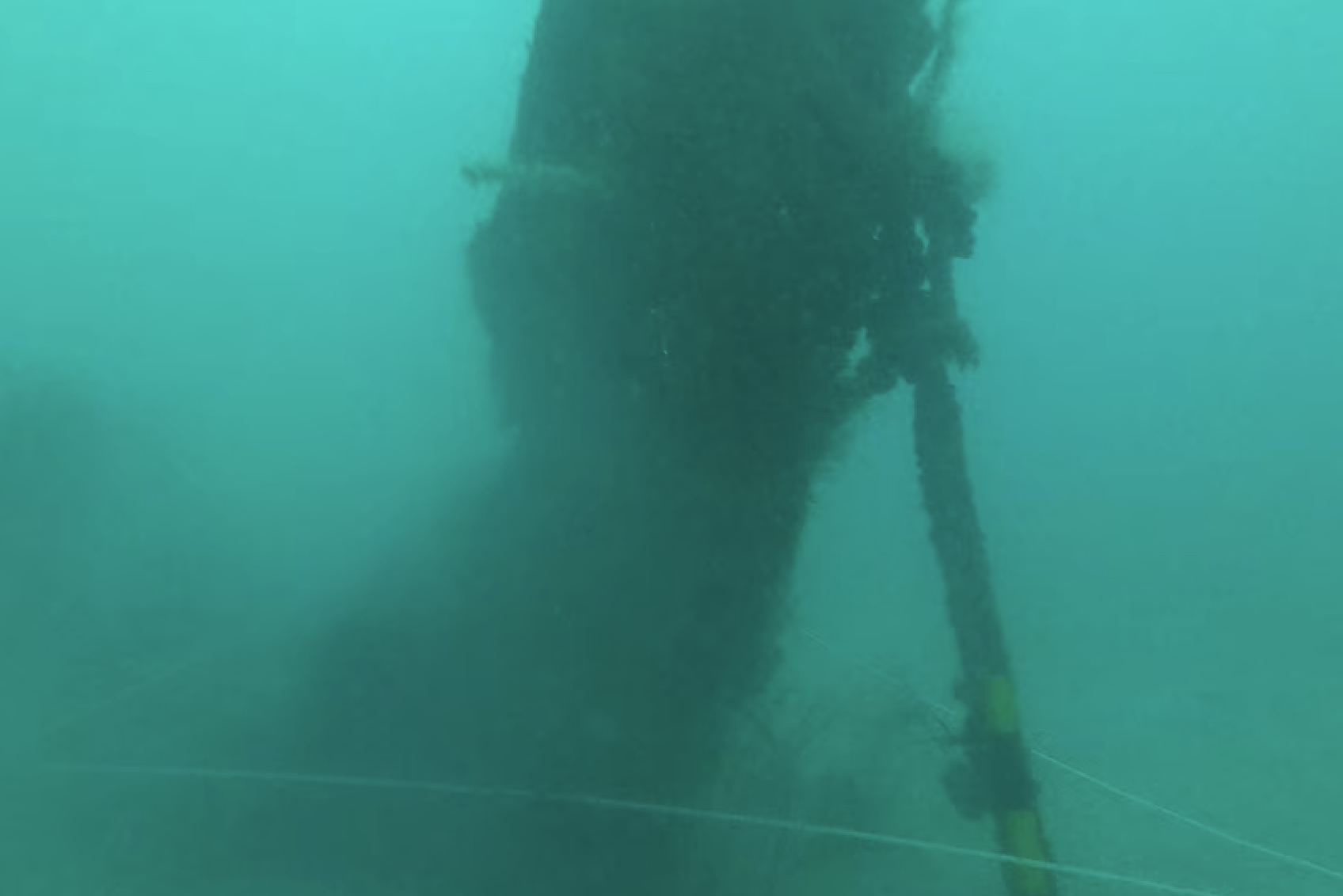
Photo:(ABC News: Jay Cronan)
Ms Jordan said while the Great Barrier Reef could protect wrecks from severe weather damage, the rapid marine growth could also disguise them. "You just look for straight lines and very round things because straight lines and round things don't appear in nature," she said.
Dr Hunter said the wreck largely remained under the seabed, but some distinctive structures such as the stem post and a small boiler were able to be measured by navy divers.
The archaeological team plans to return to the site next year to learn more about the boat's structure and the lives of those onboard.
"These guys [crew members] left in a hurry. They got off that boat really quickly because it was literally sinking underneath them, so they left everything," Dr Hunter said.
Source: abc.net.au