
Japan faces potential shortage of 100,000 shipyard workers by 2035
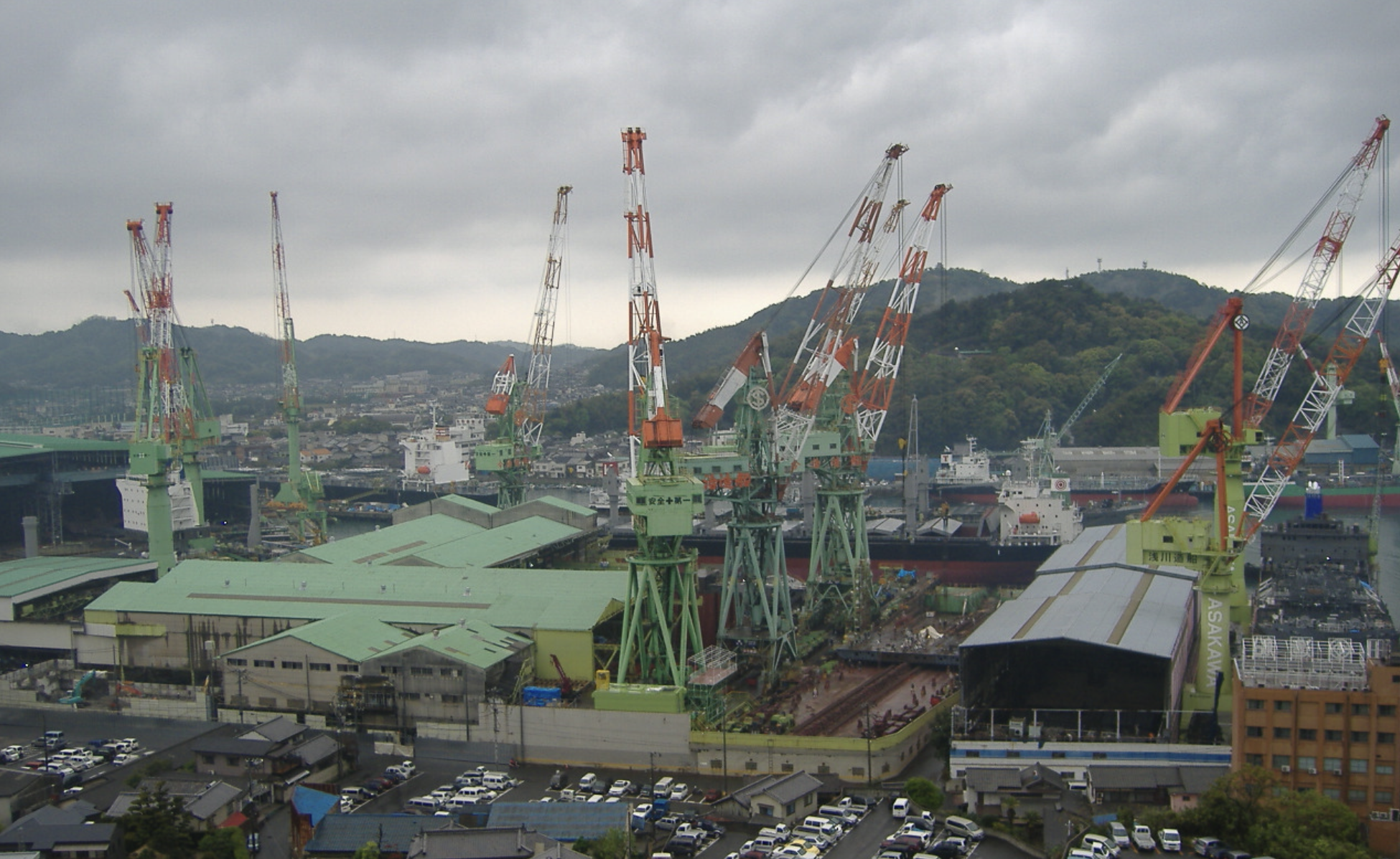
Photo of Imbari Shipbuilding Yard
Japan could face a shortage of approximately 100,000 shipbuilding workers by 2035, raising concerns over its plans to double domestic shipbuilding capacity.
According to a report published by Japan’s Ministry of Finance on November 5, 2026, workforce shortages represent a major obstacle to achieving the government’s target of doubling annual shipbuilding output to 18 million gross tons by 2035. The ministry estimates that achieving this target would require the equivalent of approximately 76,000 additional workers. However, demographic pressures and the expected expiration of residence permits held by many foreign workers could further increase the recruitment challenge.
Japan’s domestic shipbuilding workforce is projected to decline by approximately 16%, equivalent to 9,700 workers, by 2035. In addition, many of the approximately 14,500 foreign workers currently employed in the sector are expected to reach the end of their authorized residence periods.
Taking these factors into account, the ministry projects a potential workforce shortfall of approximately 100,000 workers under its stated assumptions.Even if Japan achieves the Ministry of Land, Infrastructure, Transport and Tourism’s target of improving productivity by 25% through labor-saving investments, reducing workforce requirements by approximately 30,700 positions, the remaining shortage would still exceed 70,000 workers.
The report also highlights the importance of attracting and training foreign personnel. With Japan’s shipbuilding and marine equipment sectors recording approximately four job vacancies for every available applicant, securing skilled labor remains a significant challenge. Particular attention is given to welding skills and occupational safety. The ministry notes that workers must develop both technical capabilities and a sufficient understanding of health and safety procedures before undertaking certain tasks independently.
According to the report, more than 60% of welding trainees remain at beginner level after their first year of training, limiting the activities they can perform. Reaching the intermediate skill level generally required for independent welding work takes additional training. The ministry therefore emphasizes the need for a continuous two-year training period with the same employer to develop the skills necessary for safe operations.
Beyond labor shortages, the report identifies constraints in the supply of large cranes, marine equipment and other production resources that could affect shipbuilding expansion.
The findings come as Japan pursues a broader shipbuilding revitalization strategy involving approximately ¥1 trillion in public and private investment. The government aims to provide approximately ¥350 billion in support over a 10-year period through its shipbuilding revitalization fund.
The Ministry of Finance stresses that financial support for shipyard expansion alone will not be sufficient. It calls for a coordinated approach addressing workforce recruitment, training, productivity improvements and industrial capacity to ensure the country’s shipbuilding targets can be achieved.
Source : safety4sea