
Norwegian marine insurer Gard warns most H2S deaths occur outside enclosed spaces
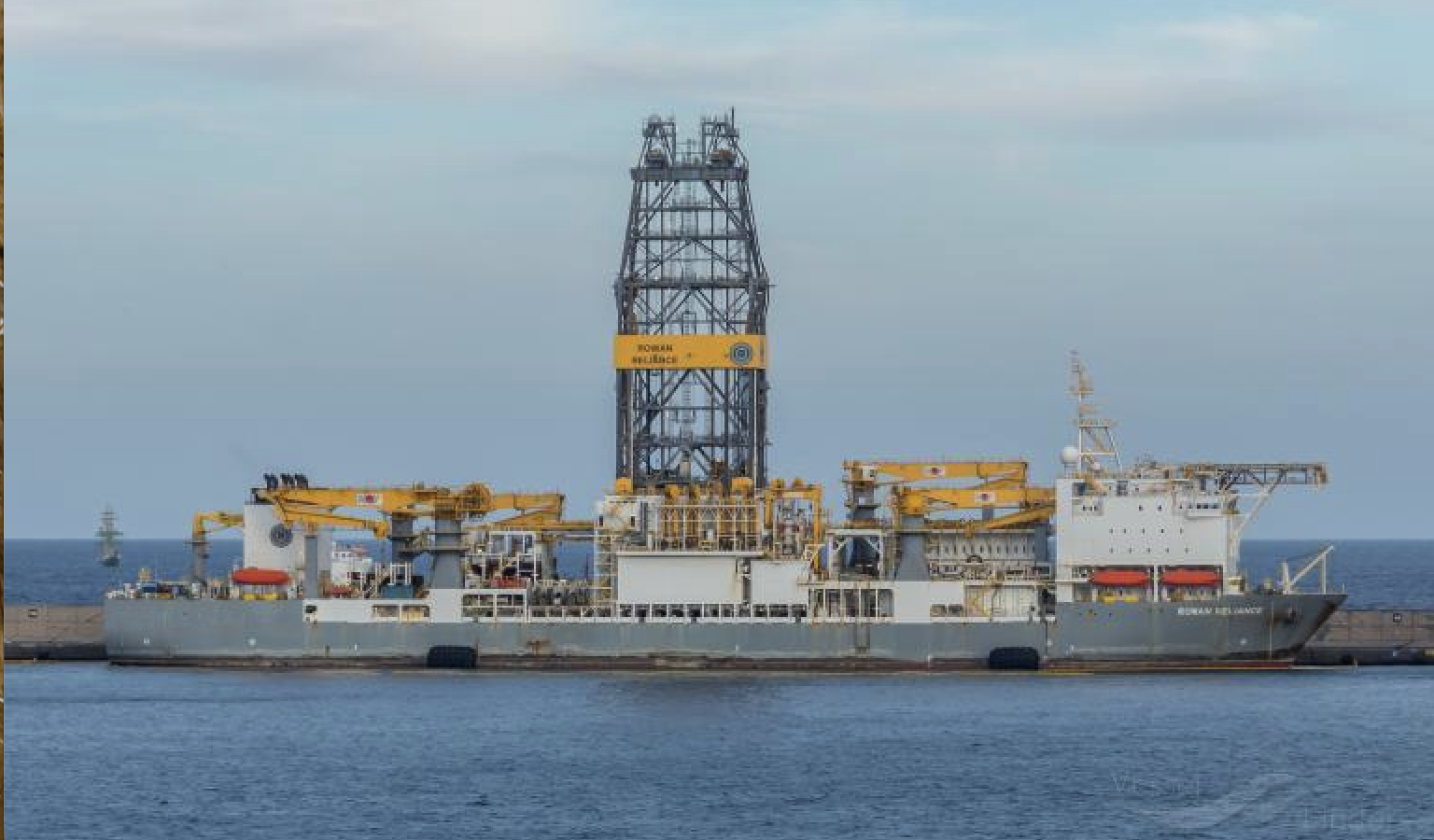
Photo: Valaris DF 7. Courtesy Vessel Finder
More than half of identified shipboard deaths linked to hydrogen sulphide occurred outside enclosed spaces, according to a loss-prevention warning published by Norwegian marine insurer Gard. Gard said 29 of 56 identified H2S-related fatalities occurred outside enclosed spaces, challenging the assumption that the gas is primarily a danger during tank entry.
The warning, published on 14 October by Tokyo-based loss prevention executive Hiroka Suzuki, draws on IMO paper CCC 12/INF.20 dated 10 July 2026.The document, submitted by the International Bulk Terminals Association, the International Federation of Shipmasters’ Associations and the Nautical Institute, identified 27 deaths inside enclosed spaces and 29 outside them.
Exposure to H2S concentrations of about 700 to 1,000 ppm can cause collapse and death within minutes. Opening a tank manhole or disturbing material in a tank or bilge can release enough concentrated gas to cause a fatal knockdown within one or two breaths, while a standard shipboard gas detector may not provide sufficient immediate warning.
Gard highlighted a 21 April 2023 accident aboard the Marshall Islands-flagged drillship VALARIS DS-17, IMO 9646950, in Las Palmas, Canary Islands, Spain. The vessel was registered to Rowan Rigs S.à.r.l., with ENSCO International Inc. as ISM ship manager. A second engineer and a motorman opened an access hatch to a bilge water tank ahead of cleaning. The second engineer collapsed while climbing away from the opening, and both men fell into the tank and died.
Another case on 23 December 2025 involved a Bahamas-flagged passenger vessel. Three crew members lost consciousness within seconds after a ballast tank previously used for grey water was opened, while three more later collapsed during the emergency response. Two crew members died and five were hospitalised.
H2S can form when organic or oily material decomposes in oxygen-deficient conditions, including in sewage and grey-water systems, oily slops and sludge, fuel residues, bilges, cargo residues and contaminated ballast tanks. Pumping, tank washing, agitation or pressure changes can trigger a sudden release of dissolved gas.
Gard urged ship operators to treat the opening of tanks, pumps, pipes, flanges and other containment systems as potential toxic-gas release operations, with atmosphere testing, assessment of the space’s contents and history, and rescue planning.
Founded in 1907 and headquartered in Arendal, Norway, Gard is a shipowner-controlled provider of P&I, marine and energy insurance. It has 15 offices, around 800 employees and insures about 18,000 vessels above 1,000 gross tonnes, representing around half of the global merchant fleet.