
Kikou Maru Sets Record with Hydrogen-Powered Coastal Tanker
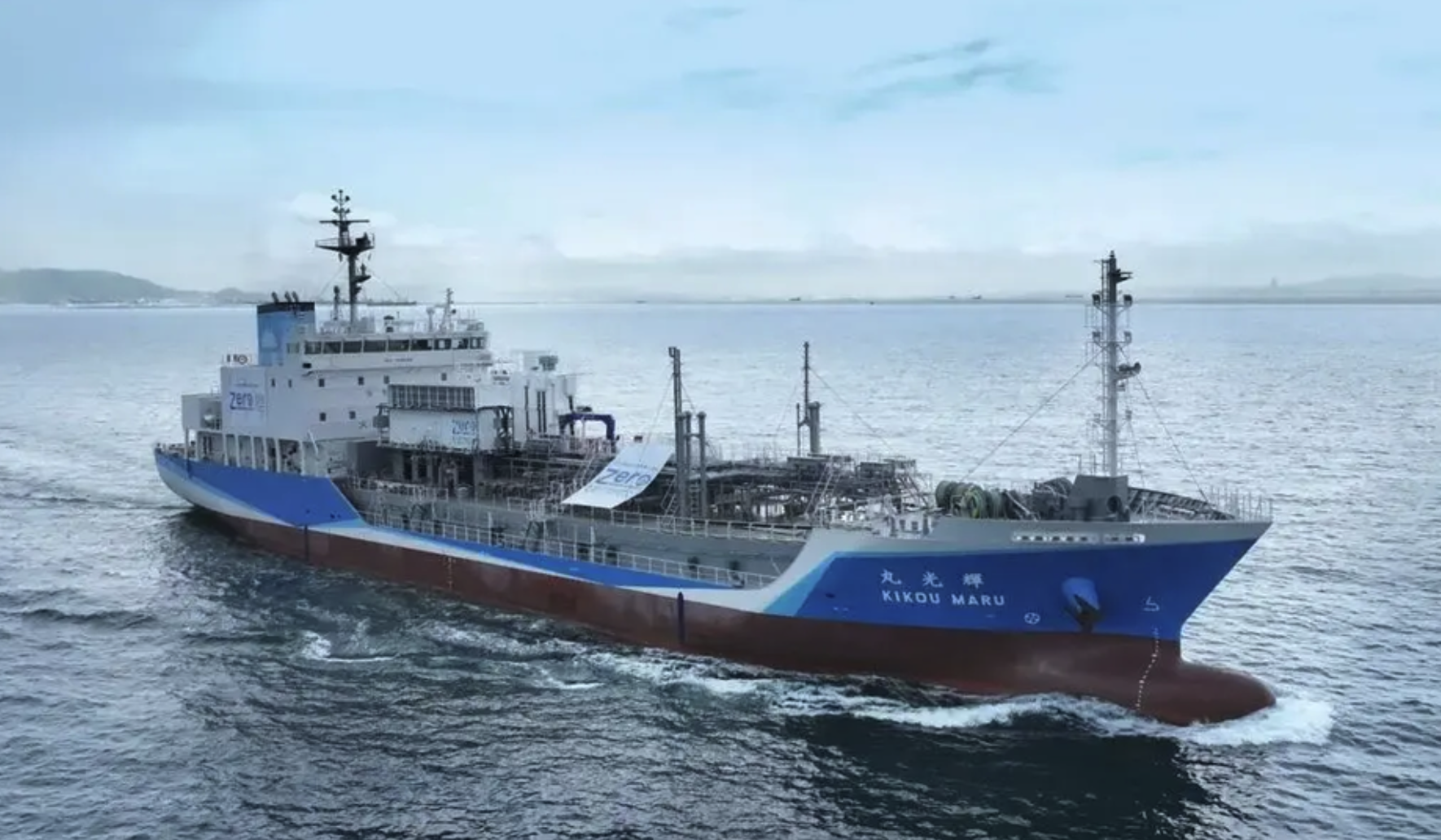
The Kikou Maru didn’t just break waves—it broke through a long-standing ceiling in maritime decarbonisation. In a world first for coastal tankers, the 4,800 DWT vessel completed sea trials powered by a four-stroke hydrogen engine, electric propulsion motors, and lithium-ion batteries, logging a two-hour run in Osaka Bay. The trial cut CO₂ emissions by 1.2 tonnes and marked the first time a coastal tanker of this size operated on a hydrogen-diesel hybrid cycle at sea.
The engine, developed by Yanmar Power Solutions, has been in the making since 2024, initially tested at 500 kilowatts using diesel oil to ignite a hydrogen-air mixture. Follow-up trials substituted hydrogenated vegetable oil as the ignition source, demonstrating fuel flexibility. The vessel’s design and propulsion system were co-developed with Fukuoka Shipbuilding and delivered to Uyeno TransTech in 2025, tailored specifically for hydrogen integration.
During the trial, the engine generated electricity rather than driving shafts directly. Two electric motors then delivered propulsion through the shafts, with lithium-ion batteries providing load levelling and transient power management. The setup allowed real-time data capture on performance, emissions, and system resilience—critical metrics for scaling hydrogen adoption in coastal fleets.
Beyond propulsion, the project includes a dedicated fuel supply system, a hull optimised for hydrogen operations, and ClassNK AiP certification support. Training manuals and operational guidelines are part of the deliverables, ensuring knowledge transfer for future crews. Kazuma Kashiwagi, Director of the Environmental Bureau for Kobe, called the trial “a vital step towards the application of hydrogen-fuelled vessels, generating zero emissions.”
Japan’s domestic shipping sector has set a 2050 carbon-neutrality target, and this project—launched in 2022—has been building evidence incrementally. Earlier phases tested hydrogen fuel cells on an offshore support vessel at a wind farm and a hydrogen engine on a harbour tug, each contributing datasets that refined engine control, safety protocols, and integration strategies. Those learnings directly informed the tanker’s 500 kW prototype, now a benchmark for larger deep-sea applications.
The implications go beyond cargo. Cruise operators are also trialling hydrogen fuel cells and battery systems to slash hoteling emissions in port and cut reliance on diesel generators. The Kikou Maru’s success suggests that coastal and short-sea shipping could transition faster than deep-sea routes—where energy density and bunkering infrastructure remain hurdles.
What stands out is the system-level thinking: not just swapping one fuel for another, but redesigning propulsion, energy storage, and operations around hydrogen’s characteristics. The trial proves that a coastal tanker can sail on hydrogen today—if the ecosystem is ready. The next challenge is scaling supply chains, retrofitting existing fleets, and proving the business case when green hydrogen costs remain volatile. Still, the Kikou Maru has lit a path—and others will follow.
Source: maritimetechnologyreview.com. Nigel Cranworth