
British Army charters civilian ferry to boost warfighting readiness in major exercise
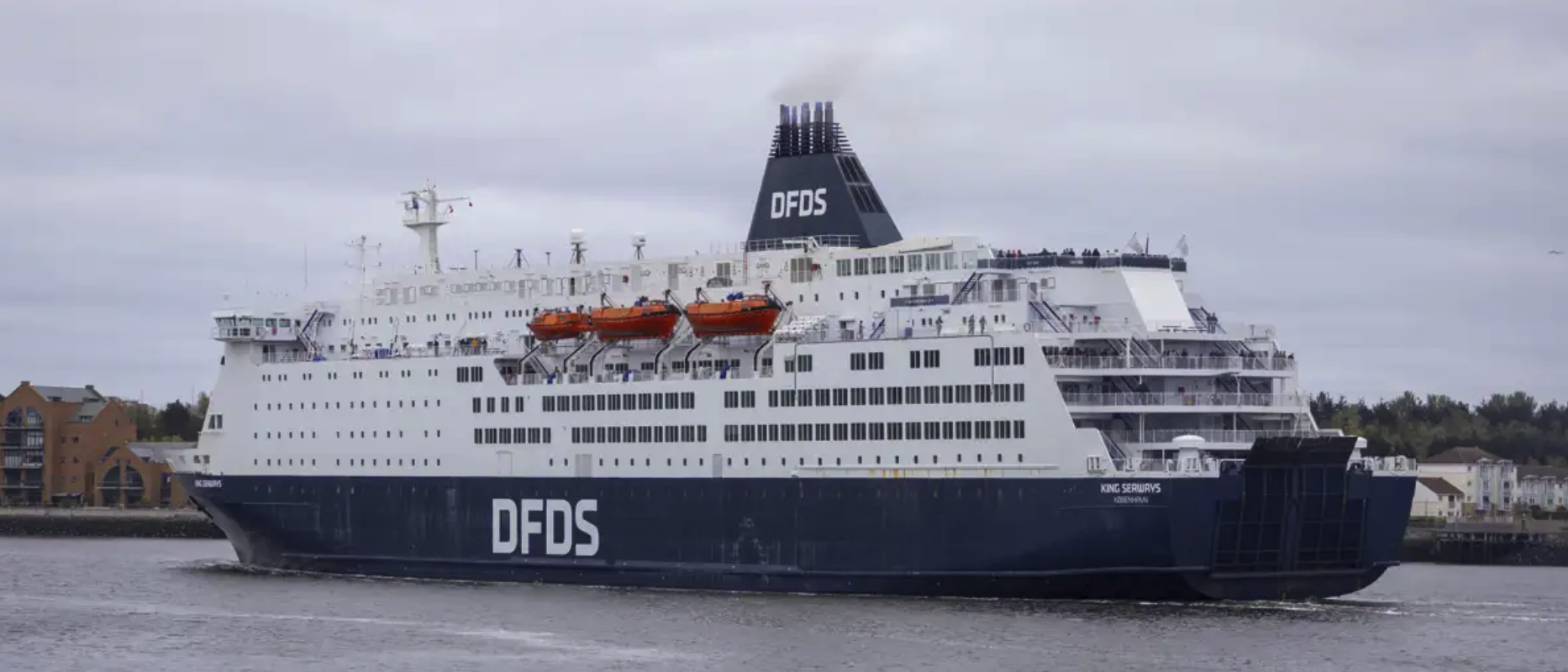
For the first time in over 20 years, more than 1,400 British troops have boarded an entire civilian passenger ferry to travel to a major military exercise in Germany.
The troops moving across the high seas are from the 7th Light Mechanised Brigade, known as The Desert Rats.
This unique move is part of Exercise Rhino Storm, a key training exercise designed to test the Army’s ability to respond quickly and effectively.
Lieutenant Lucas Handyside from 7 Brigade said: “As a Light Mechanised Brigade, it is incredibly important that we are able to rapidly and reliably respond to threats anywhere in the world, and testing this capability has been an integral part of the exercise. “7 Brigade is deploying more than 3000 soldiers and 900 military vehicles to Exercise Rhino Storm which has offered us the opportunity to prove a range of deployment methods both military and civilian. Exercise Rhino Storm demonstrates that the Desert Rats can deploy by road, rail, sea and air.” He continued: “Exercise Rhino Storm is designed to challenge the Brigade at all levels and will provide a realistic scenario to bring together the Brigade’s fighting units and supporting elements.”
Important use of civilian infrastructure
The soldiers set sail from Newcastle on the King Seaways, a ferry owned by DFDS.
Using a chartered civilian ferry to move so many soldiers is an important step. It helps the British Army practise how to use civilian transport alongside military vehicles and aircraft if a large deployment to Europe is needed during a conflict.
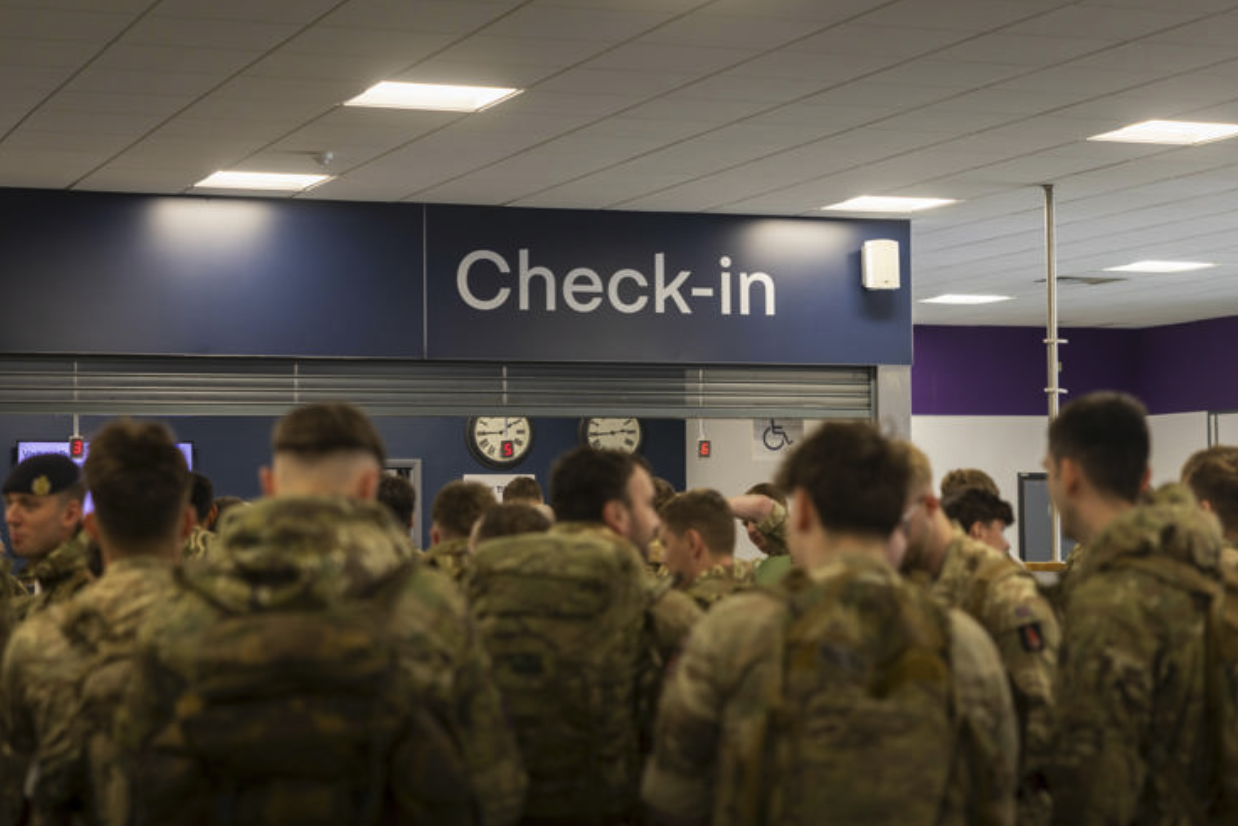
Transporting 1,400 troops by air would require at least seven RAF Voyager planes, plus extra flights for equipment. By using the ferry, the Army can move large numbers of personnel more efficiently and flexibly.
This approach supports goals to improve warfighting readiness and shows how civilian infrastructure can play a vital role in military operations.
The move was executed by the NATO Support and Procurement Agency (NSPA), who organised end-to-end logistics including ferry, bus and train transportation, liaising with more than 60 stakeholders in the UK, Germany and the Netherlands.
After arriving in the Netherlands via the ferry, the troops will continue their journey by rail to Germany, where they will join hundreds of French soldiers from the 13th Demi Brigade of the Foreign Legion for Exercise Rhino Storm.
Future readiness
This exercise is part of the wider NATO Steadfast Defender 27 series, which strengthens the UK’s commitment to the Alliance and tests the ability to deploy forces rapidly across Europe.
Brigadier Andrew Watson, Officer Commanding, 7th Light Mechanised Brigade, said: “Exercise Rhino Storm proves we are ready to deliver credible combat power at scale as part of NATO’s Advanced Readiness Force. “This exercise is about moving a brigade quickly and efficiently, just as we would in real operations. It sends a clear message that the British Army can project force rapidly and work closely with our NATO allies.”
Historic use of civilian ferries for military transport
The use of civilian ferries for military transport has historic roots. During the Second World War, Britain famously used civilian ships to rescue troops at Dunkirk and to support the D-Day landings. Since then, ferries have been used in conflicts such as the Falklands War, Bosnia, Kosovo, and the Iraq War in 2003.
Source: army.mod.uk