
ATSB Investigation - Geelong, Victoria, on 24 October 2026, and Spirit of Tasmania IV, off Point Lonsdale, Victoria, on 5 November 2026
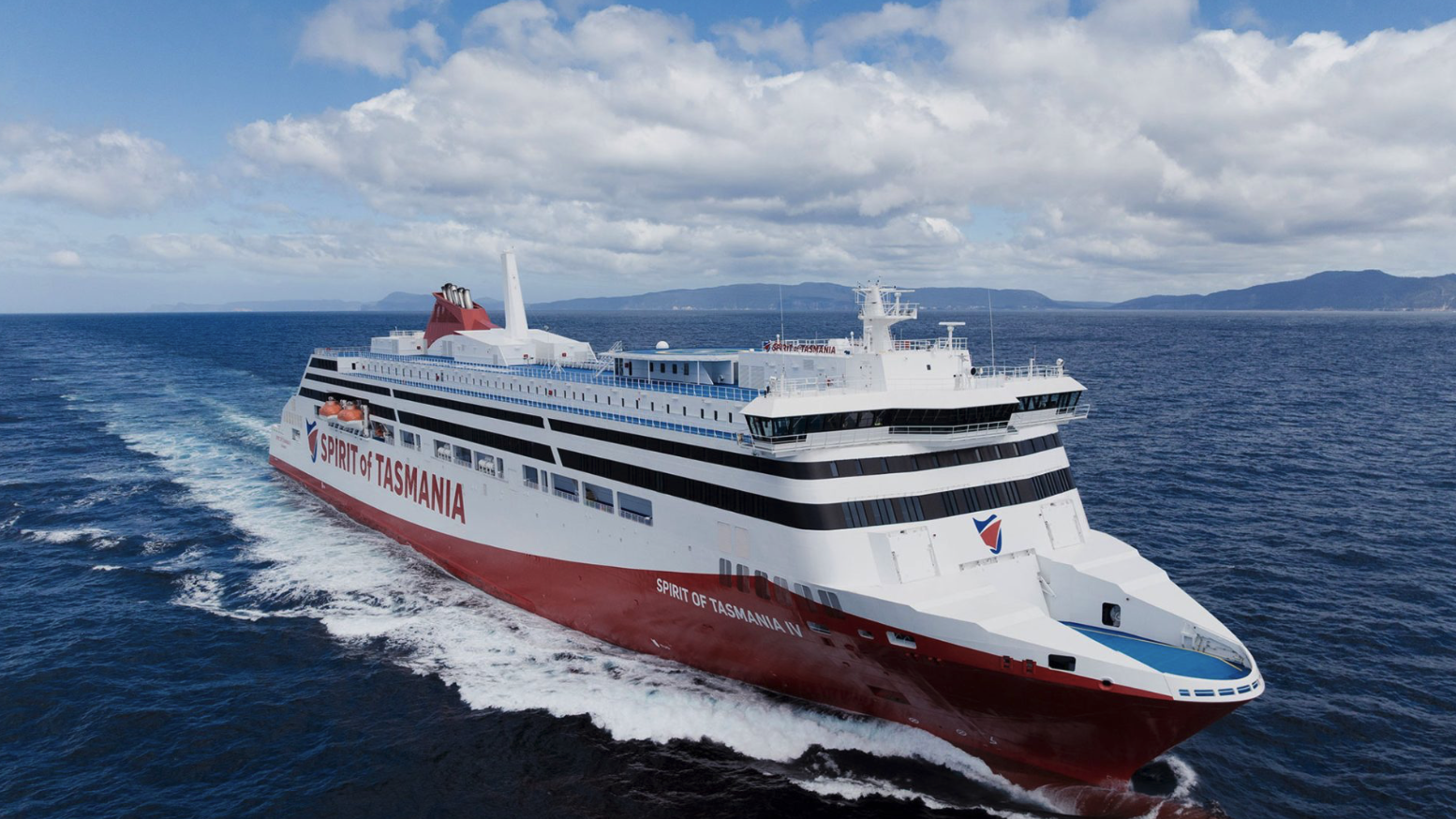
Photo: spiritoftasmania.com.au
Summary
The ATSB is investigating steering issues involving the Australian-flagged roll-on/roll-off passenger ships Spirit of Tasmania IV and Spirit of Tasmania V.
The first incident involved Spirit of Tasmania V, off Point Henry, Port Phillip, Victoria, on 24 October 2026. The ship had departed its terminal in Geelong at 1956 under the conduct of a harbour pilot. It was bound for Devonport, Tasmania, with 94 crew and 20 passengers on board and was carrying a cargo of freight vehicles. The voyage, carrying cargo but without fare-paying passengers, was part of the ship's operational testing program in preparation for its full introduction to service a week later with fare-paying passengers.
At about 2030, the ship was being controlled using its autopilot when it reached the junction between the Hopetoun Channel and Wilson Spit Channel to the north-east of Point Henry. The required starboard turn was initiated, but the autopilot responded slow causing a wider than expected turn.
After adjusting the settings, the ship's rate of turn increased with the autopilot subsequently unable to arrest the turn. Steering control was then switched to manual, and port rudder applied to stop the turn. Subsequent attempts to control the ship's heading resulted in increasing heading oscillations from port to starboard, resulting in the ship briefly moving outside the charted shipping channel's southern and northern limits. In order to regain control of the ship's movement, it was then brought to a stop in the Wilson Spit Passing Channel to the south of the shipping channel's limit before resuming its outbound voyage.
The second incident involved Spirit of Tasmania IV, while approaching Lonsdale pilot boarding ground to enter Port Phillip Bay in the early hours of 5 November. The ship was on a routine voyage from Devonport to Geelong carrying passengers and vehicles.
When steering control was changed from the autopilot to manual mode (follow-up), the steering wheel did not respond to helm commands. Control was then changed to emergency non-follow-up to embark the pilot while ship’s engineers attempted to correct the fault. Once the pilot was on board, the ship aborted entry to Port Phillip Bay to further investigate the issue. Further attempts to transfer steering to manual mode were unsuccessful.
Subsequently, steering control was transferred to the bridge wing and central steering levers from where the ship was then steered. The ship then resumed its voyage to Geelong, where it berthed later with an escort tug in attendance throughout its transit of the shipping channel as a precaution.
The ATSB's investigation into both incidents will include analysis of evidence collected from both ships, which includes interviews of involved personnel, records and documentation, equipment inspection reports and recorded data.
A final report will be published at the conclusion of the investigation. Should a critical safety message be identified at any time during the investigation, the ATSB will immediately notify the operators of the ship, and other relevant parties so that appropriate and timely safety action can be taken.
Source: atsb.gov.au